
Layered Lighting That Makes Small Spaces Feel Sumptuous
Mastering the Three Layers
Ambient: The Calm Foundation
Aim for soft, even illumination that lifts the room without flattening it. Flush mounts, cove LEDs, or wall washing spread light across surfaces, expanding perceived volume. Keep color temperature warm, around 2700-3000K, so textures read invitingly and the space feels gracious, not clinical.
Task: Precision Where It Matters
Deliver targeted brightness for reading, chopping, or keyboard work without flooding everything. Under-cabinet strips, swing-arm sconces, and focused pendants sharpen contrast exactly where needed. Position carefully to avoid shadows from your hands, and give every zone independent control so function never sacrifices mood.
Accent: Drama, Depth, and Sparkle
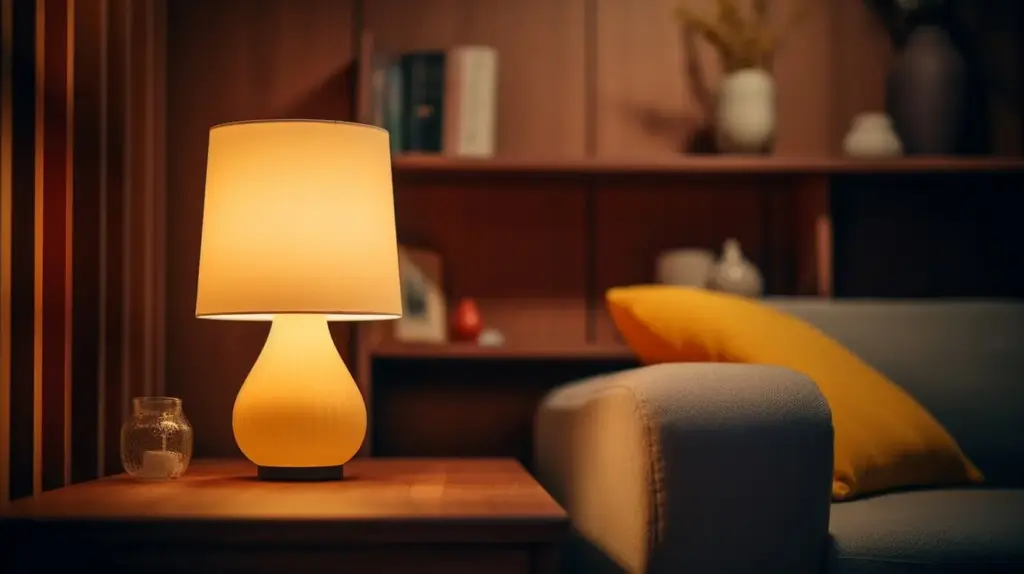
A little theatricality makes compact rooms feel curated. Picture lights, toe-kick grazers, and tiny uplights sculpt surfaces, emphasizing artwork, books, and plants. One gleaming decorative piece becomes jewelry for the scene, providing shimmer that signals luxury even when other elements stay minimal and quiet.
Planning for Small Footprints
Fixtures, Bulbs, and Finishes That Whisper Luxury
Smart Controls and Scene Crafting
Studio Living Area
Compact Kitchen Excellence
A Serene Micro Bedroom
Styling, Budget, and Real-World Stories
A Makeover in Twenty-Eight Square Meters
In a modest city studio, we added a ceiling hugger, wall washers behind books, and a brass table lamp with a linen shade. The owner reported softer mornings and calmer nights, plus friends asking why everything suddenly felt spacious, inviting, and quietly expensive.
Luxury on a Lean Budget
Allocate most funds to dimming and two quality pieces that anchor the room, then choose simple, well-diffused basics elsewhere. Consistent warmth and glare control do the heavy lifting, while one sculptural lamp becomes the jewel that makes everything around it feel elevated and intentional.
Share, Ask, and Iterate Together
Tell us where your compact home struggles: glare on screens, dim corners, awkward ceiling junction boxes, or mismatched bulbs. Drop a comment with a quick sketch or photo, and we'll suggest a layered plan and dimming scene names you can test this week.